Tulips Flowers - Keukenhof Garden (Amsterdam)
Tuesday, 23 April 2019
Monday, 11 February 2019
Tuesday, 8 January 2019
Book - STUDENT’S HAND BOOK- Skill Genie
STUDENT’S HAND BOOK- Skill Genie(Higher Education Department, Govt. of Andhra Pradesh)
http://www.apcce.gov.in/KM/Skill%20Genie%20event/Skill_genie.pdf
Wednesday, 19 December 2018
Monday, 26 November 2018
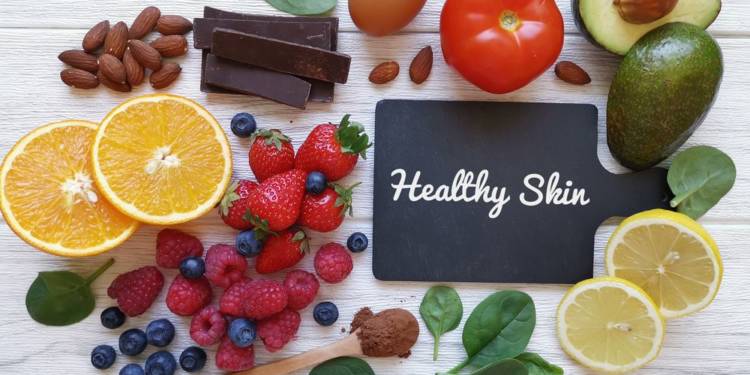
Nutritional Regimen Essential For Healthy SKin
Nutritional Regimen Essential
For Healthy Skin [1.03.2015]
Constituents of Fruits & Vegetables
beneficial for skin
•Amalaki – Vit A,C
•Stawberry – Malic acid
•Apple –Vit C
•Carrot- Vit A
•Lemon – vit C
•Spinach –Anti-oxidant ,Vit A,
E, K,C
•Beetroot – Anthocyanins
•Pumpkin seeds – Zinc
•Sweet potato – Vit. A
•Tomato –Lycopene
,Vit C
Introduction
Nutrients & micronutrients for skin
1]Macronutrients (carbohydrates, proteins and lipids ) and micronutrients
(vitamins and nutritionally essential minerals ) work together to maintain the
barrier functions of skin in the face of everyday challenges.
2] Nutrients in foods that benefit skin also tend to benefit
other body systems and overall health.
3] An anti-aging diet rich in variety of antioxidant-rich,
nutrient-dense foods such as; fresh fruits and vegetables, whole grains,
legumes, nuts, and seeds is the easiest
and most gratifying way to protect your skin from the inside out.
4] Antioxidants are chemicals that protect cells by neutralising
the effects of factors such as the sun, pollution, wind, temperature, emotions,
metabolism and excess oxygen.
5]Common antioxidants are vitamins A, C, E and beta carotene.
6] The special function of antioxidants is to protect your cells
by fighting free radicals. They engulf free radical cells, thereby
counteracting their attacks and eliminating them from the body.
•Vit A : Reduces
wrinkles, increases blood flow, decreases sebum production and treats
acne brilliantly, promotes a healthy cellular membrane ,prevents dryness,
rebuild skin tissue. e.g. Green leafy vegetables, Carrots,
Pumpkin, Sweet potato, Dried apricot, Papaya etc.
•Zinc : Anti-oxidant, improve wound healing,
DNA synthesis, and cell division, anti-inflammatory and protects against UV
radiation. e.g. fresh oysters, pumpkin seeds, ginger, nuts,
oats, and eggs.
•Vit C: Antioxidant,
Anti-inflammatory, reduces wrinkles and preventing sagging skin by
improving the elasticity, protect from UV rays, wound healing. e.g. Citrus fruits like oranges,
grapefruit, strawberries, cabbage, cauliflower
•Silica : Reduced skin elasticity, wound healing ,
vital for healthy skin. Silica deficiency can result in reduced skin
elasticity. e.g.
green beans, strawberries, cucumber, mango, celery, asparagus.
•Vit K : Reduces
the dark circles. e.g. Spinach, Peas, cabbage, sprouts,
soybeans, Grapes, Kiwi, fish, eggs
•Omega-3 Fatty Acids:
Anti- inflammatory, reduce the risk of skin cancer, whiteheads,
blackheads. skin repair, because the body cannot produce its own EFAs,
they must be obtained through the diet. e.g. cauliflower, spinach, grape
leaves, strawberries
•Selenium:
Antioxidant mineral responsible for tissue elasticity, prevent skin cancer, protect the skin from damage from excessive
ultraviolet light. healing burn injuries, acts as anti-aging, to cure acne,
anti-inflammatory.e.g. wheat germ, seafood, garlic, nuts, eggs, brown rice, and
whole-wheat bread
•Vitamin E: Antioxidant, moisturizer, prevent skin
cancers. reduces the appearance of
wrinkles, and, when applied topically, soothes dry or rough skin, wound
healing, anti-aging, effective in sunburn, cleansing agent. e.g. Wheat germ oil, sunflower seeds,
sunflower oils, almonds, spinach, peaches, tomatoes, cabbage, asparagus.

Thursday, 22 November 2018
PHYSICO-CHEMICAL EVALUATION OF KASAHAR CHOORNA FROM CHARKOKTA MAHAKASHAY Dr. Vidya N. Sawant* and Dr. Shobha A. Khilari
www.wjpps.com
Research article - PHYSICO-CHEMICAL EVALUATION OF KASAHAR CHOORNA FROM CHARKOKTA MAHAKASHAY
Dr. Vidya N. Sawant* and Dr.Shobha A. Khilari
http://www.wjpps.com/download/article/1533030698.pdf
Thursday, 1 November 2018
Kasahar dashemani Choorna - Physico chemical evaluation
PHYSICO-CHEMICAL
EVALUATION OF KASAHAR CHOORNA FROM CHARKOKTA MAHAKASHAY
Dr.
Mrs. Vidya N. Sawant *1, Dr. Mrs. Shobha A. Khilari 2
1.
Assi.
Prof. Dept. of Dravyaguna, Bharati Vidyapeeth Deemed to be University College
of Ayurved, Pune Maharashtra, 411043.
2.
Asso.
Prof. Dept. of Dravyaguna, Bharati Vidyapeeth Deemed to be University College
of Ayurved, Pune Maharashtra, 411043.
ABSTRACT
Medicinal plants mentioned in
Charaka Samhita many
centuries ago are recorded with complete understanding of various dimension
reflected to their usage. Mahakashaya is important source from which we can get various drugs
options for day to day practice and can use it effectively in simple manner.
Kasahar Dashemani is recommended by Charak in the management of Kasa (cough)
Vyadhi (disease). The aim of the
present study was to investigate the presence of physicochemical &
preliminary phytochemical test of Kasahar Dashemani Choorna (Powder). Pharmacognostic
studies of Ayurvedic compound formulation i.e. Choorna (Powder), Kwath (Decoction),
etc. ensure standardization parameters which will help and prevents
adulterations. Such studies will help to ensures reproducible quality of herbal
products which will lead to safety and efficacy of natural products.
The present investigation reveals standardization of Kasahar Dashemani Choorna
which includes determination of loss
on drying, total ash, acid insoluble ash, water extractives, alcohol extractives
and T.L.C. The study divulges presence of certain chemical constituents like carbohydrates,
saponins, proteins, alkaloid, glycosides, terpenoids, tannin, steroids, flavonoids.
Thursday, 21 July 2016
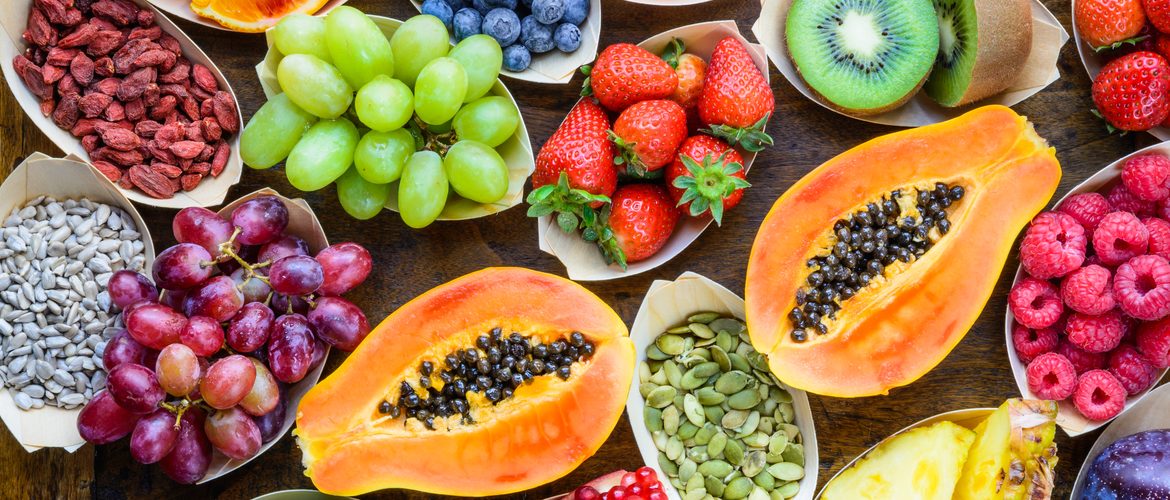
fruits & its Medicinal Value
Fruits & its Medicinal Value
Dr. Mrs. Vidya N. Sawant (Assi. Prof.)
M.D. Ph.D Scholar,
Bharati Vidyapeeth College of
Ayurved Dravyaguna Vigyana Department-
Pune -43.
Introduction
Fruits
are symbols of good health and love. Every fruit has a different quality and
benefit to share. Fruits are related to immortal behavior. The logic of fruits
and immortality is simple to understand. The underground seeds of fruits depict
new beginnings. These grow and give us new seeds. Thus, repeated process that
does not end is easy to relate to immortality.
Fruit
has been recognized as a good source of vitamins and minerals, and for their
role in preventing vitamin C and vitamin A deficiencies. Fruit
are important sources of many nutrients, including potassium, fiber, vitamin C
and folic acid. The nutrients in fruit are vital for health and maintenance of
your body.
In
common language usage, "fruit" normally means the fleshy
seed-associated structures of a plant that are sweet or sour and edible in the
raw state, such as apples, oranges, grapes, strawberries, bananas, and lemons
etc.
Table No. 1- Fruits & Nutritional Values
No.
|
Sanskrit
name
|
Family
|
Scientific
name
|
Nutritional
value
|
1
|
Amra
(mango)
|
Anacardiaceae
|
Mangifera indica Linn
|
Vit A,B,D, C++, Citric acid, galic acid,
Protein, carbohydrate, calcium, riboflavin, Iron , folate, pantothenic acid,
Vit B6,E,C,K
|
2
|
Kathara(Jack fruit)
|
Moraceae
|
Artocarpus integrifolia Linn.
|
Fruit -Vit A,C, Protein
Seed – Vit B1,B2
|
3
|
Kadali(Banana)
|
Musaceae
|
Musa sapientum Linn.
|
Sugar, Vit C, B, riboflavin, potassium,
calcium, phosphorus, magnesium, mangenese, iron, sodium, copper, zinc,
selenium, Vit A,B1, B2, niacin,
|
4
|
Narikel (coconut)
|
Palmae
|
Cocos nucifera Linn.
|
Vit C, B1, E, A
|
5
|
Kalindam
(Watermelon)
|
Cucurbitaceae
|
Citrullus vulgaris Schrad
|
Pectin, citrulline , protein,
carbohydrate,calcium,
|
6
|
Kharbujam
( Melon)
|
Cucurbitaceae
|
Cucumis melo Linn.
|
Vit A, B1, B2, C, protein , carbohyadrate
|
7
|
Bilva
|
Rutaceae
|
Aegle marmelos
Corr.
|
Pectin, Marmelosin
|
8
|
Kapittha (Wood Apple,,Elephant Apple)
|
Rutaceae
|
Feronia elephantum Correa
|
Riboflavin, Vit C, Pectin, protein ,
carbohyadrate, calcium
|
9
|
Narang (Orange)
|
Rutaceae
|
Citrus reticulata
Blanco
|
Oil – limonene, petitgrain oil. Vit C,
B, A, pectin, carbohyadrate, protein , calcium,
|
10
|
Tinduk (Gaub Persimon)
|
Ebenaceae
|
Diospyros embryopterisPers.
|
Tanin, oil, pectin- fruit
|
11
|
Raj jambu (Jambul tree)
|
Myrtaceae
|
Syzygium cumini Skeel
|
Ellagic acid
|
12
|
Lovely (Star goose berry)
|
Euphorbiaceae
|
Phyllanthus distichus Muell
|
Acetic acid , tannin, saponin, galic acid,
protein
|
13
|
Makhanna (Fox nut, Gorgon fruit)
|
Nymphaeaceae
|
Euryale ferox Salisb.
|
Protein, carbohydrate, carotene
|
14
|
Shrungtakam (Water caltrops)
|
Onagraceae
|
Trapa bispinosa Roxb.
|
Manganese, starch
|
15
|
Dadim (pomegranate)
|
Punicaceae
|
Punica granatum Linn.
|
Gallotonic acid, pelletierine
|
16
|
Draksha (grapes)
|
Vitaceae
|
Vitis vinifera Linn.
|
Sugar, Mallic acid, resveratrol. Vitamin-C, vitamin A, vitamin K, carotenes,
B-complex vitamins such as pyridoxine, riboflavin, and thiamin.
|
17
|
Kharjur (Date)
|
Palmae
|
Phoenix sylvestris Roxb.
|
|
18
|
Vatad (Almond)
|
Rosaceae
|
Prunus amygdalus Batsch.
|
|
19
|
Sevam (Apple)
|
Rosaceae
|
Pyrus malus Linn.
|
Phlorizin, amygladin, malic acid,
potassium, calcium, phosphorus, magnesium, mangenese, iron, sodium, copper,
zinc. Vit A,B1, B2, niacin,folate, pantothenic acid, Vit B6,E,C,K
|
20
|
Akshot (Walnut)
|
Juglandaceae
|
Juglans regia Linn.
|
Vit A, C, B, Magnesium, Iodine , Potassium
, Sodium
|
21
|
Nimbuk (lime)
|
Rutaceae
|
Citrus medica Var. acida
|
Citric acid, Vit C
|
22
|
Mishtanimbu (sweet lime)
|
Rutaceae
|
Citrus lemettioides Tanaka
|
|
23
|
Kamarakh (Karambola)
|
Oxalidaceae
|
Averrhoa carambola Linn.
|
Vit A, acid potassium oxalate
|
24
|
Amlika (Tamarind)
|
Leguminosae
|
Tamarindus indica Linn.
|
Citric acid, tartaric acid, potassium
bitartrate
|
25
|
Vrukshamla (Kokum)
|
Guttiferae
|
Garcinia indica Chois.
|
Mallic acid
|
Table No. 2- Fruit colour, Photochemical & Functions
No.
|
Fruit Colour
|
Photochemical
|
Functions
|
1
|
Red
(high in Vit C- helps encourage cellular
renewal)
|
Carotenoids (lycopene),
anthocyanins
|
Lycopene- reduce damage from free radicals,
prevents heart disease, cancer, prostrate problems, reduces the skin damage
from the sun, help memory function, urinary tract health, and makes your
heart healthy. e.g Tomato, Apple, Strawberries
|
2
|
Orange
(orange foods also give us the right amount
of potassium and vitamin A)
|
Carotenoids
|
Carotenoids repair DNA and help prevent
cancer and heart disease, as well as strengthening our vision, keeps our eyes
and skin healthy, and protects against infections. e.g. Pumpkin, Carrot
|
3
|
Yellow
|
vitamin C
|
High in antioxidants, keeps teeth and gums
healthy, helps to heal cuts, improves the mucus membranes, helps to absorb
iron, prevents inflammation, improves circulation, prevents heart disease. e.g
Banana
|
4
|
Green
|
sulforaphane and indoles & vitamin K
|
Prevent cancer, well for the circulatory
system and have good vitamin B and minerals. Help for good vision,
maintaining strong bones and teeth
|
5
|
White /Greenish
|
Allicin and allium
|
Anti-bacterial, anti-fungal, and anti-viral,
prevent cancer and heart disease. e.g
Garlic, Mushroom
|
6
|
Blue/
Indigo
|
Anthocyanins & phenolics, vitamin C
|
Anti-aging, antioxidants, prevent heart
disease, help memory function and urinary tract health , reduce free radical
damage e.g. Blueberries
|
Table No. 3- Fruits &its Karma (actions)
No
|
Name
of fruits
|
Karma
(actions)
|
1
|
Amra
(mango)
|
Vrushya, Balya, Mamsa vardhak
|
2
|
Kathara(Jack fruit)
|
Pakva phal – Balya,
Apakva phala- Vishthambhi
Beej – Vrushya, Vibandhkarak
|
3
|
Kadali (Banana)
|
Pakva phal- vishthambhi, Balya, Vrushya
|
4
|
Narikel (coconut)
|
Phala- Balya,Brumhan,Mootral
Narikel Jala- Hrudya, Trushna shamak, Mootral
|
5
|
Kalindam
(Watermelon)
|
Grahi, Avrushya
|
6
|
Kharbujam
( Melon)
|
Vrushya, Mootral, Balya, Sarak
|
7
|
Bilva
|
Medicinal purpose- Bal Bilva (unripe fruit)
Deepan,Grahi
|
8
|
Kapittha (Wood Apple,,Elephant Apple)
|
Apakva phala – Grahi,svarabhed janak,
Pakva phala – Ggrahi,Trushna shaman
|
9
|
Narang (Orange)
|
Hrudya ,Rochan
|
10
|
Tinduk (Gaub Persimon)
|
Raktapitta shaman,
Pakva phala- Stambhan
|
11
|
Raj jambu (Jambul tree)
|
Grahi
|
12
|
Lovely (Star goose berry)
|
Arshoghna , Ashmarighna
|
13
|
Makhanna (Fox nut, Gorgon fruit)
|
Balya, Vrushya, Garbhasthapan
|
14
|
Shrungtakam (Water caltrops)
|
Grahi, Vrushya
|
15
|
Dadim (pomegranate)
|
Deepan,Hrudya,Grahi
|
16
|
Draksha (grapes)
|
Vrushya, Jwarahar, Kasahar, Anuloman
|
17
|
Kharjur (Date)
|
Brumhan , Vrushya
|
18
|
Vatad (Almond)
|
Balya, Vrushya, Brumhan
|
19
|
Sevam (Apple)
|
Grahi,Brumhan
|
20
|
Akshot (Walnut)
|
Medha Vardhak,Balya,Vrushya, Brumhan
|
21
|
Nimbuk (lime)
|
Rochan,Deepan,Pachan, Vatanuloman
|
22
|
Mishtanimbu (Sweet lime)
|
Balya,Brumhan,Rochan
|
23
|
Kamarakh (Karambola)
|
Grahi
|
24
|
Amlika (Tamarind)
|
Pakva- Deepan,Sara
|
25
|
Vrukshamla (Kokum)
|
Rochan,Deepan
|
Subscribe to:
Posts (Atom)