Tuesday, 8 February 2022

Nutritional regimen for healthy skin


Nutritional Regimen Essential For Healthy Skin


Introduction -- Nutrients & micronutrients for skin

Macronutrients (carbohydrates, proteins and lipids) and micronutrients (vitamins and nutritionally essential minerals) work together to maintain the barrier functions of skin in the face of everyday challenges. Nutrients in foods that benefit skin also tend to benefit other body systems and overall health. An anti-aging diet rich in variety of antioxidant-rich, nutrient-dense foods such as; fresh fruits and vegetables, whole grains, legumes,  nuts, and seeds is the easiest and most gratifying way to protect your skin from the inside out. Antioxidants are chemicals that protect cells by neutralising the effects of factors such as the sun, pollution, wind, temperature, emotions, metabolism and excess oxygen. Common antioxidants are vitamins A, C, E and beta carotene. The special function of antioxidants is to protect your cells by fighting free radicals. They engulf free radical cells, thereby counteracting their attacks and eliminating them from the body.

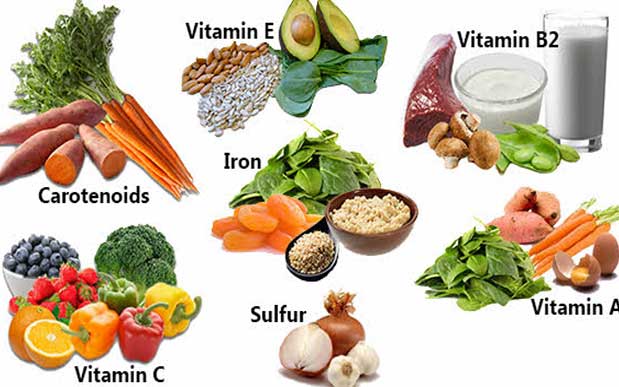
Constituents of Fruits & Vegetables beneficial for skin 

Amalaki – Vit A,C

Carrot- Vit A

Beetroot – Anthocyanins


Stawberry – Malic acid

Lemon – vit C

Pumpkin seeds – Zinc


Apple –Vit C

Spinach –Anti-oxidant ,

Vit A, E, K,C

Sweet potato – Vit. A


Tomato –Lycopene  ,Vit C


Vit A:

Reduces wrinkles, increases blood flow, decreases sebum production and treats acne brilliantly, promotes a healthy cellular membrane, prevents dryness, rebuild skin tissue. e.g. Green leafy vegetables, Carrots, Pumpkin, Sweet potato, Dried apricot, Papaya etc.

Zinc:

Anti-oxidant, improve wound healing, DNA synthesis, and cell division, anti-inflammatory and protects against UV radiation. e.g.   Fresh oysters, pumpkin seeds, ginger, nuts, oats, and eggs.

Vit- C:

Antioxidant, Anti-inflammatory, reduces wrinkles and preventing sagging skin by improving the elasticity, protect from UV rays, wound healing. e.g. Citrus fruits like oranges, grapefruit, strawberries, cabbage, cauliflower

Silica:

 Reduced skin elasticity, wound healing, vital for healthy skin. Silica deficiency can result in reduced skin elasticity.  e.g.  Green beans, strawberries, cucumber, mango, celery, asparagus.  

Vit- K :

Reduces the dark circles. e.g. Spinach, Peas, cabbage, sprouts, soybeans, Grapes, Kiwi, fish, eggs

Omega-3 Fatty Acids:

Anti- inflammatory, reduce the risk of skin cancer, whiteheads, blackheads, skin repair, because the body cannot produce its own EFAs, they must be obtained through the diet. e.g. cauliflower, spinach, grape leaves, strawberries

Selenium: 

Antioxidant mineral responsible for tissue elasticity, prevent skin cancer, protect the skin from damage from excessive ultraviolet light, healing burn injuries, acts as anti-aging, to cure acne,  anti-inflammatory. e.g. Wheat germ, seafood, garlic, nuts, eggs, brown rice, and whole-wheat bread

Vitamin- E:

Antioxidant, moisturizer, prevent skin cancers,  reduces the appearance of wrinkles, and, when applied topically, soothes dry or rough skin, wound healing, anti-aging, effective in sunburn, cleansing agent. e.g. Wheat germ oil, sunflower seeds, sunflower oils, almonds, spinach, peaches, tomatoes, cabbage, asparagus.
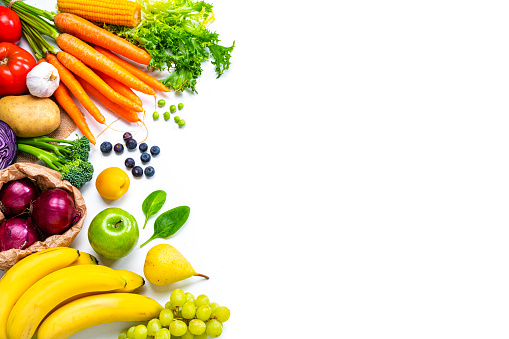


 27+ Vegetable Pictures | Download Free Images & Stock Photos on Unsplash

Oatmeal For Skin: 10 Reasons To Add This Superfood To Your Routine


Thursday, 27 January 2022

Hair Care

 How to take Care of Hairs 

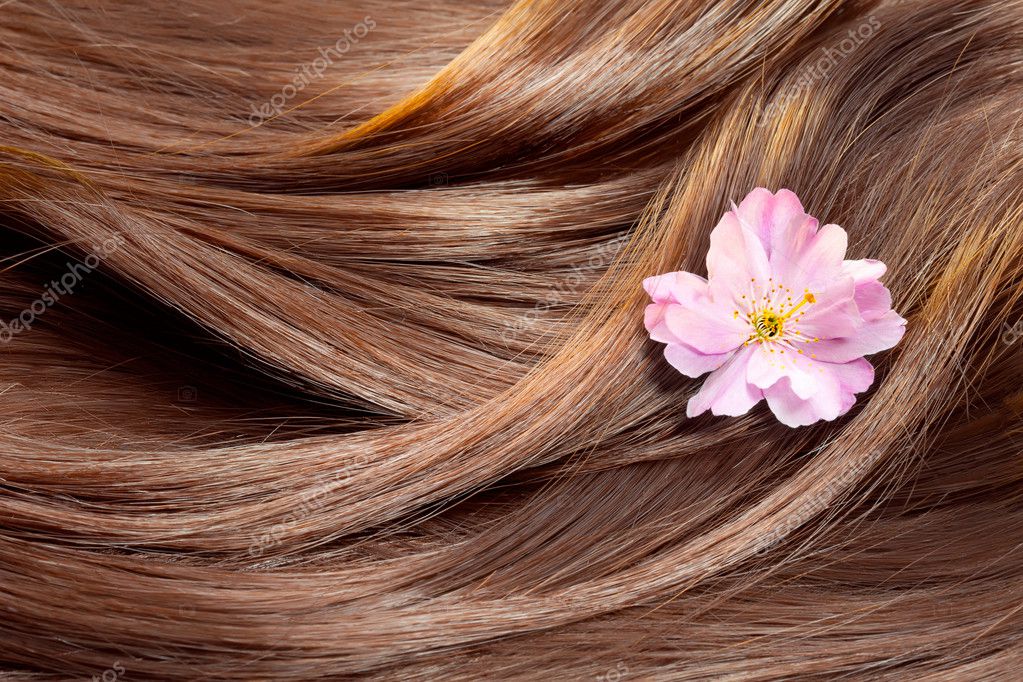
Hair care Pictures, Hair care Stock Photos & Images | Depositphotos®


1] Wash hairs regularly 
 
2] Keep scalp & hairs free of dirt 
 
3] Dry hairs naturally
 
4] Apply oil to hair regularly and properly
 
5] Do massage with oil (Scalp) for blood circulation
 
6] Use of wide toothed comb 
 
7] Use good chemical free shampoos and other hair products 
 
8] Use herbal hair wash powder which clean the scalp and makes hairs healthy 
 
9] Eat healthy food
 
10] Drink sufficient water
 
11] Protect hairs from sunlight and dirt 
 
12] Avoid very hot water for hair wash
 
13] Stress and worry affects on hairs
 
14] Avoid hair products which contains chemicals (Dying etc.)

15] Salty water can damage hairs


Wednesday, 25 August 2021

Impact of environmental stressors on skin aging- Review Article

Environmental Stressors on Skin Aging. Mechanistic Insights- Review Article 


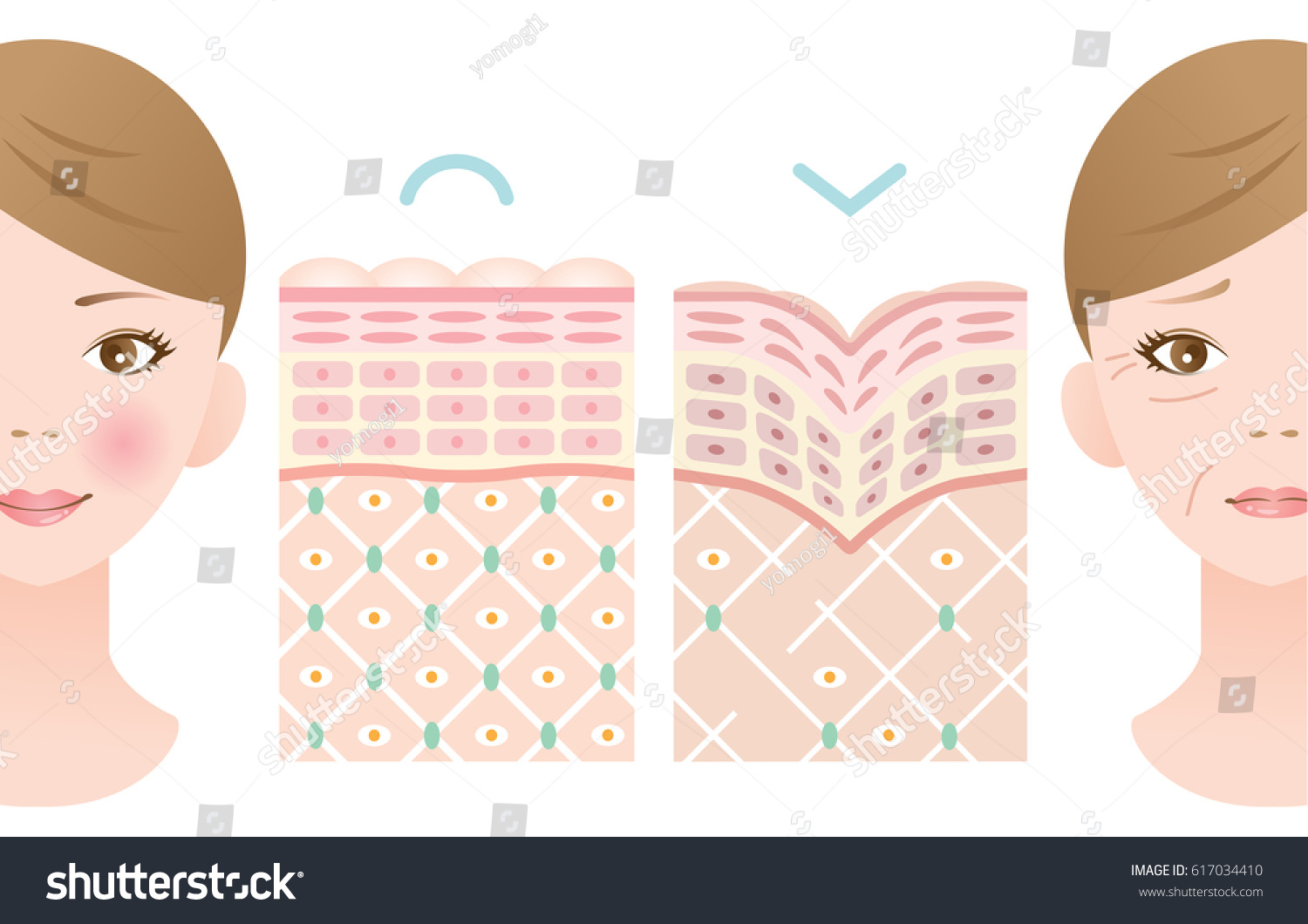
The skin is the first defensive barrier of our body being in contact with the environment.These stressors, combined with internal factors, are responsible for cutaneous aging. Furthermore, they negatively affect the skin and increase the risk of cutaneous diseases, particularly skin cancer. This review addresses the impact of environmental stressors on skin aging, especially those related to general and specific external factors (lifestyle, occupation, pollutants, and light exposure). 

For more information click the link -

https://www.frontiersin.org/articles/10.3389/fphar.2019.00759/full 


 Skin Aging Diagrams Young Skin Firm Stock Vector (Royalty Free) 617034410

Friday, 20 August 2021

Brain & skin connection- Review paper


“Brain-Skin Connection”


This  review focused-   what are the major pathways and effector cells; how they negatively affect skin functions and diseases; and how chronic stress can have a detrimental effect on skin aging.

 How brain and skin communicate with each other, how the skin reacts to the stress by activating the endocrine and immune systems, and the negative impact of chronic stress on skin health.


The Brain-Skin Connection — doctorclaudia


 click the link for more information

https://www.ncbi.nlm.nih.gov/pmc/articles/PMC4082169/ 

Monday, 16 August 2021

Food for Healthy skin

Food for  Skin


 "Your skin is a reflection of your underlying health, so good nutrition, getting enough sleep, reducing stress, staying hydrated, etc., all play a role in creating better-looking skin"


1] Antioxidant 

  • Vitamin A- carrots, pumpkin, sweet potatoes, butternut squash, mangoes, spinach,   tomato-vegetable juice.
  • Vitamin C-  orange juice, grapefruit juice, papayas, strawberries, kiwis, red and green peppers, tomato-vegetable juice, broccoli, mangoes, oranges, Brussels sprouts, grapefruit, cauliflower, and kale.
  • Viatamin E- vegetable oils, nuts, seeds, olives, spinach, and asparagus

2]  Omega-3 fatty acids-   

  • Fish, ground flaxseed, walnuts, and brands of eggs that are higher  in omega-3sfish may help to guard against sun damage
  •  Monounsaturated fats - olive oil, canola oil, almond oil, avocados, olives, almonds

https://www.webmd.com/skin-problems-and-treatments/acne/features/skin-foods

Wednesday, 28 July 2021

Skin types


Skin Types 


There are four basic dichotomies or parameters that have recently been introduced in the Baumann Skin Type Indicator (BSTI) that more accurately characterize skin types.

This article describes the four parameters that make up the BSTI, focusing on basic science and defining characteristics and summarizing the 16 skin-type variations.

Article- Click the given link for more information.

 https://www.researchgate.net/publication/5300732_Understanding_and_Treatin

g_Various_Skin_Types_The_Baumann_Skin_Type_Indicator